

Is it difficult to operate an All Band Coupler?
Hey there! As a supplier of All Band Couplers, I get asked a lot whether it's difficult to operate these nifty little devices. Today, I'm gonna dive deep into this question and share my insights with you.
First off, let's understand what an All Band Coupler is. In simple terms, it's a key component in fiber - optic communication systems. It's designed to split or combine optical signals across multiple wavelength bands, allowing for efficient data transmission and reception. There are different types of All Band Couplers in the market. For example, the 3x3 Multimode FBT Coupler, 1x2 SM Dual Window FBT Coupler, and 2x2 All Band Fiber FBT Coupler. Each type has its own unique features and applications, but they all serve the fundamental purpose of handling optical signals in a multi - band scenario.
Now, to the big question - is it difficult to operate an All Band Coupler? Well, it depends on a few factors.
Technical Knowledge
If you have a background in fiber - optic technology, operating an All Band Coupler might not be a big deal. Understanding concepts like optical power, wavelength, and coupling ratio is crucial. But if you're new to this field, it can seem a bit daunting at first. The technical jargon alone can be confusing, with terms like insertion loss, return loss, and extinction ratio thrown around.
However, most of the modern All Band Couplers come with detailed user manuals. These manuals are written in a way that even someone without an in - depth technical background can understand. They usually provide step - by - step instructions on installation, operation, and maintenance. So, with a bit of patience and willingness to learn, you can master the operation of these couplers.
Equipment Setup
Setting up an All Band Coupler for the first time can be a bit tricky. You need to make sure that the optical fibers are properly connected and aligned. A misaligned fiber can lead to significant signal loss, which is a big no - no in a communication system. You'll also need to use specialized tools like fusion splicers and optical power meters to ensure a proper connection and measure the signal strength.
But here's the good news - as a supplier, we offer support to our customers. When you purchase an All Band Coupler from us, we can provide you with guidance on how to set it up correctly. We can also offer training sessions, either in - person or online, to help you get the hang of the equipment setup.
Monitoring and Troubleshooting
Once the All Band Coupler is up and running, you'll need to monitor its performance regularly. This involves checking parameters like insertion loss, which should remain within an acceptable range. If the insertion loss starts to increase over time, it could indicate a problem, such as a fiber break or a loose connection.
Troubleshooting can be a challenge, especially if you're not familiar with the inner workings of the coupler. But again, with our support, we can help you diagnose and fix the issues. We have a team of experts who are always ready to assist our customers. They can analyze the data you provide and give you solutions on how to resolve the problems.
Benefits of Overcoming the Challenges
Even though operating an All Band Coupler might have its difficulties, the benefits are well worth the effort. These couplers offer high performance, allowing for reliable and efficient data transmission. They can support multiple wavelength bands, which is essential in modern communication systems where data needs to be transmitted simultaneously at different wavelengths.
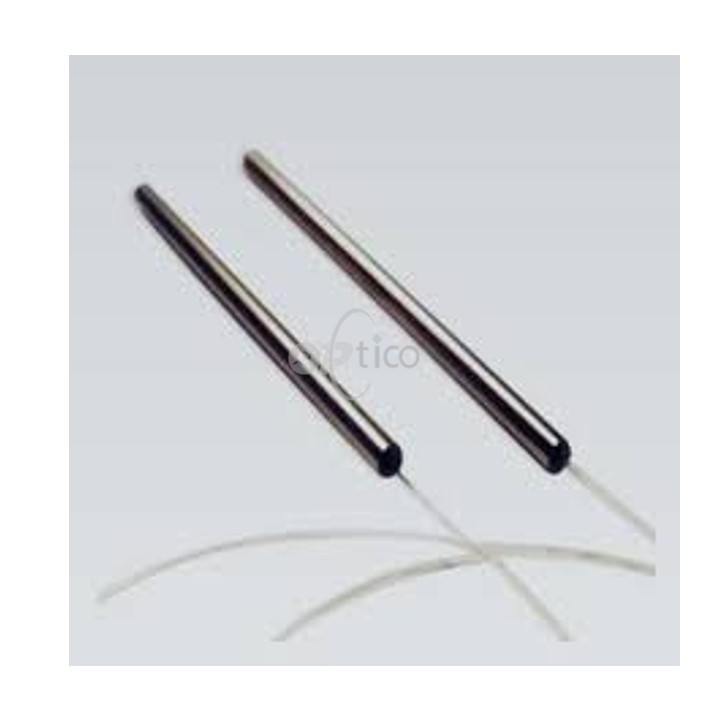
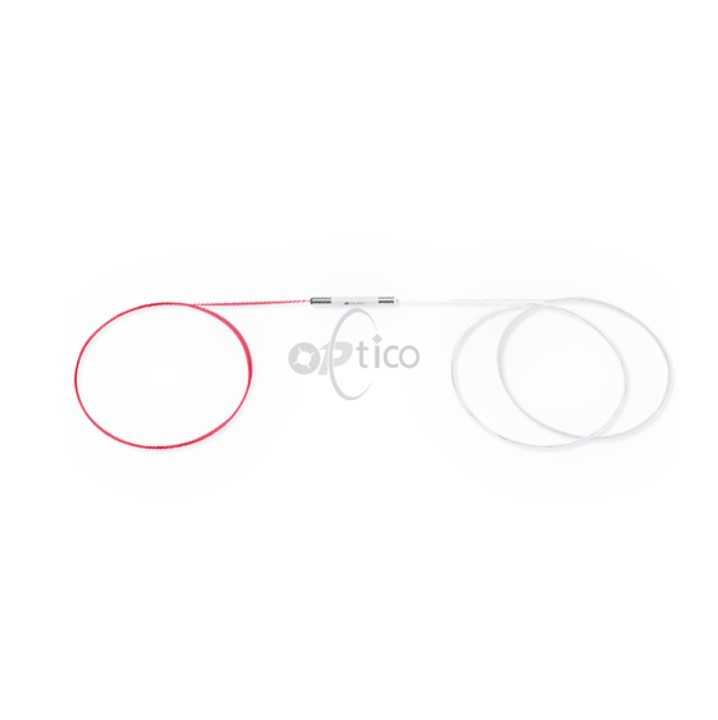
In addition, All Band Couplers are very versatile. They can be used in a wide range of applications, from telecommunications to data centers and broadcast systems. By mastering the operation of these couplers, you can open up new opportunities for your business.
Tips for Easier Operation
Here are some tips to make operating an All Band Coupler easier:
- Read the Manual: As I mentioned earlier, the manufacturer's manual is your best friend. Read it carefully and follow the instructions.
- Get Training: Take advantage of the training opportunities offered by the supplier. This will help you understand the equipment better and operate it more efficiently.
- Regular Maintenance: Keep your All Band Coupler clean and inspect it regularly. This can prevent a lot of potential problems.
- Keep Records: Maintain a log of the performance parameters of your coupler. This will help you identify any trends and detect issues early.
In conclusion, operating an All Band Coupler is not impossible, even though it may have its challenges. With the right knowledge, support, and a proactive approach, you can easily handle these devices. If you're looking to purchase an All Band Coupler or have any questions about their operation, don't hesitate to get in touch. We're here to help you every step of the way.
References
- Fiber - Optic Communication Technology Handbook
- Optoelectronics: Principles and Practices textbook