

What is the power - saving mode of a 1x4 Mini PLC Splitter?
In the realm of fiber - optic communication, the 1x4 Mini PLC Splitter stands as a crucial component. As a dedicated supplier of 1x4 Mini PLC Splitters, I am often asked about the power - saving mode of this device. In this blog, we will delve deep into what the power - saving mode of a 1x4 Mini PLC Splitter is, its significance, and how it impacts the overall performance of fiber - optic networks.
Understanding the 1x4 Mini PLC Splitter
Before we explore the power - saving mode, it's essential to understand what a 1x4 Mini PLC Splitter is. PLC, or Planar Lightwave Circuit, splitters are passive optical components used to divide an optical signal into multiple outputs. A 1x4 Mini PLC Splitter, as the name suggests, takes a single input optical signal and splits it into four output signals. The "mini" aspect refers to its compact size, which makes it ideal for use in space - constrained environments such as fiber - to - the - home (FTTH) installations, data centers, and small - to - medium - sized enterprises.
What is the Power - Saving Mode of a 1x4 Mini PLC Splitter?
The power - saving mode of a 1x4 Mini PLC Splitter is a feature designed to reduce the energy consumption of the device without sacrificing its core functionality. Unlike active components in a network that require electrical power to operate, PLC splitters are passive. However, in modern network setups where every bit of energy efficiency matters, even passive components can be optimized to save power.

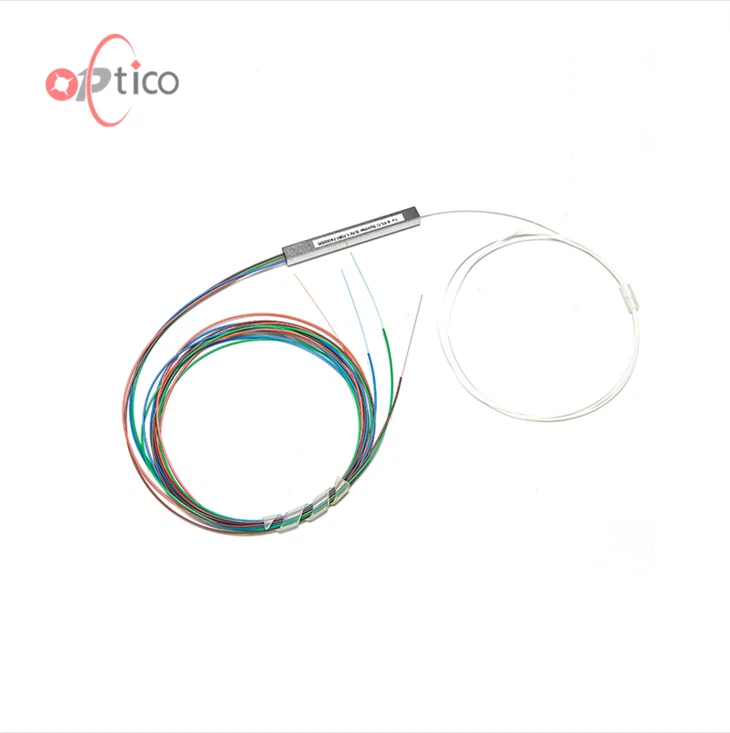
In the context of a 1x4 Mini PLC Splitter, the power - saving mode typically involves reducing the internal losses of the device. These losses can occur due to various factors such as bending of the optical fibers, imperfections in the manufacturing process, and coupling losses between different parts of the splitter. By minimizing these losses, less optical power is wasted, effectively achieving a form of "power - saving" in the overall system.
One way this is achieved is through advanced manufacturing techniques. For example, using high - precision etching processes during the fabrication of the planar lightwave circuit can ensure a more uniform and efficient splitting of the optical signal. This reduces the need for additional optical amplification, which in turn saves electrical power in the network.
Another aspect of the power - saving mode is related to the design of the fiber - optic connectors. The connectors used in a 1x4 Mini PLC Splitter need to have minimal insertion loss. A well - designed connector ensures that the optical signal can pass through with maximum efficiency, reducing the overall power requirements of the network.
Significance of Power - Saving Mode
The power - saving mode of a 1x4 Mini PLC Splitter offers several benefits, both from an economic and an environmental perspective.
Economic Benefits
- Reduced Operational Costs: In large - scale fiber - optic networks, even a small reduction in power consumption can lead to significant cost savings over time. By using a 1x4 Mini PLC Splitter in power - saving mode, network operators can lower their electricity bills, making the network more cost - effective to run.
- Long - Term Investment: As energy prices continue to rise, investing in power - efficient components like a 1x4 Mini PLC Splitter with a power - saving mode can provide long - term financial stability. It also future - proofs the network against potential energy shortages and price hikes.
Environmental Benefits
- Lower Carbon Footprint: The reduction in power consumption directly translates to a lower carbon footprint. By using less electricity, the network operator contributes to the global effort to combat climate change. This is especially important in an era where environmental sustainability is a top priority for many organizations.
- Resource Conservation: Saving energy also means conserving natural resources. The production of electricity often involves the consumption of fossil fuels or other non - renewable resources. By reducing power consumption, we can help preserve these resources for future generations.
Impact on Network Performance
One might wonder if the power - saving mode has any negative impact on the performance of the 1x4 Mini PLC Splitter and the overall network. The good news is that when properly implemented, the power - saving mode has little to no adverse effect on performance.
In fact, the techniques used to achieve power - saving, such as minimizing internal losses and improving connector design, often enhance the performance of the splitter. A more efficient splitter results in a cleaner and stronger optical signal at the output, which can improve the reliability and quality of the fiber - optic network.
However, it's important to note that the power - saving mode is not a one - size - fits - all solution. Network operators need to carefully assess their specific requirements and the characteristics of their network before implementing the power - saving mode. In some cases, certain applications may require a higher level of optical power, and the power - saving mode may need to be adjusted or even disabled.
Our Range of PLC Splitters
As a leading supplier of 1x4 Mini PLC Splitters, we also offer a wide range of other PLC splitters to meet the diverse needs of our customers. For example, we have the 1x3 Bare Fiber Type PLC Splitter, which is suitable for applications where a smaller number of output signals are required. The 1x12 Bare Fiber Type PLC Splitter is ideal for more complex networks that need a larger number of outputs. And for those who need a balanced split between two input signals, our 2x8 Bare Fiber Type PLC Splitter is an excellent choice.
Contact Us for Procurement
If you are interested in learning more about our 1x4 Mini PLC Splitters or any of our other products, we encourage you to contact us for procurement and further discussions. We have a team of experts who can provide you with detailed information, product specifications, and pricing. Let us work together to find the best fiber - optic solutions for your network.
References
- "Fiber - Optic Communication Systems" by Govind P. Agrawal.
- "Passive Optical Network Technology" by various industry experts.
- Technical whitepapers on PLC splitters from leading manufacturers.