

How to manage the inventory of CCWDM components?
Inventory management is a crucial aspect of running a successful CCWDM (Coarse Wavelength Division Multiplexing) component supply business. As a CCWDM supplier, effectively managing inventory ensures that we can meet customer demands promptly, minimize costs, and maintain a competitive edge in the market. In this blog post, I'll share some insights and strategies on how to manage the inventory of CCWDM components.
Understanding the Demand Patterns
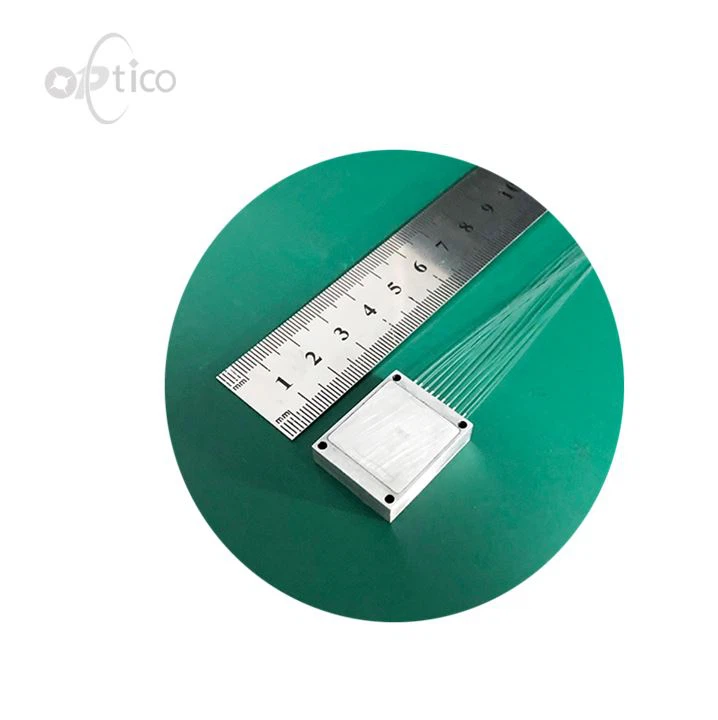
The first step in inventory management is to have a clear understanding of the demand patterns for CCWDM components. Different types of CCWDM modules, such as the 18CH Ultra Compact CWDM Module, 4CH CCWDM Module, and 8+1CH Compact CWDM, may have varying levels of demand based on customer requirements, industry trends, and seasonal factors.
We need to analyze historical sales data to identify patterns and trends. For example, if we notice that the demand for 18CH Ultra Compact CWDM Module increases during the months when new network expansion projects are typically launched, we can plan our inventory accordingly. By understanding these patterns, we can make more accurate forecasts and avoid overstocking or understocking.
Employing Demand Forecasting Tools
In addition to analyzing historical data, using advanced demand forecasting tools can significantly improve the accuracy of our inventory planning. These tools use algorithms and machine learning techniques to predict future demand based on various factors such as market trends, economic indicators, and customer behavior.
By integrating these tools into our inventory management system, we can generate more accurate forecasts for different CCWDM components. This allows us to adjust our inventory levels in advance, ensuring that we have the right products available at the right time. For instance, if the forecast indicates a surge in demand for 4CH CCWDM Module in the next quarter, we can increase our inventory levels to meet the expected demand.

Setting Reorder Points
Reorder points are critical in inventory management as they help us determine when to replenish our stock. To set appropriate reorder points for CCWDM components, we need to consider factors such as lead time, demand variability, and safety stock.
Lead time refers to the time it takes from placing an order with our suppliers to receiving the goods. We need to have a clear understanding of the lead times for different components to avoid stockouts. For example, if the lead time for a particular 8+1CH Compact CWDM is six weeks, we need to reorder the product when our inventory reaches a level that can cover the demand during this six - week period.
Demand variability also plays a crucial role. If the demand for a component is highly variable, we may need to set a higher reorder point and maintain a larger safety stock. Safety stock acts as a buffer to protect against unexpected increases in demand or delays in the supply chain.
Supplier Relationship Management
Maintaining strong relationships with our suppliers is essential for effective inventory management. A reliable supplier can ensure timely delivery of CCWDM components, reduce lead times, and provide better pricing.
We should communicate regularly with our suppliers to keep them informed about our inventory levels and future demand forecasts. This allows them to plan their production schedules and ensure that they can meet our requirements. Additionally, we can negotiate favorable terms such as volume discounts, return policies, and payment terms to optimize our inventory costs.
ABC Analysis
ABC analysis is a useful technique for categorizing inventory based on its value and importance. In the context of CCWDM components, we can classify our products into three categories: A, B, and C.
Category A consists of high - value, high - demand components. These are typically the most critical products for our business, such as the latest and most advanced CCWDM modules. We should closely monitor the inventory levels of Category A components and ensure that we always have sufficient stock.
Category B includes components with moderate value and demand. We can manage the inventory of these components with a slightly less rigorous approach compared to Category A.
Category C comprises low - value, low - demand components. For these products, we can keep relatively low inventory levels and reorder them on an as - needed basis.
Just - in - Time (JIT) Inventory Management
Just - in - Time (JIT) inventory management is a strategy that aims to minimize inventory levels by receiving goods only when they are needed in the production or sales process. While implementing JIT for CCWDM components can be challenging due to lead times and supply chain uncertainties, it can offer significant cost savings if executed properly.
We can work with our suppliers to develop a JIT system where they deliver components in small, frequent batches based on our production or sales schedules. This reduces the amount of capital tied up in inventory and minimizes the risk of obsolete stock.
Inventory Monitoring and Auditing
Regularly monitoring and auditing our inventory is crucial to ensure its accuracy and integrity. We should use inventory management software to track the movement of CCWDM components in and out of our warehouse. This software can generate real - time reports on inventory levels, sales, and reorder points.
In addition to software - based monitoring, we should conduct physical inventory audits periodically. This involves physically counting the inventory on hand and comparing it with the records in our system. Any discrepancies should be investigated and resolved promptly to maintain accurate inventory data.
Managing Obsolete Inventory
As the technology in the CCWDM industry evolves rapidly, we may find ourselves with obsolete inventory. Obsolete inventory ties up capital and takes up valuable warehouse space. To manage obsolete inventory, we need to have a clear policy in place.
We can try to sell obsolete components at discounted prices to existing or new customers. Another option is to return the components to the suppliers if we have a favorable return policy. In some cases, we may need to scrap the obsolete inventory if it cannot be sold or returned.
Conclusion
Effectively managing the inventory of CCWDM components is a complex but essential task for a CCWDM supplier. By understanding demand patterns, employing forecasting tools, setting reorder points, managing supplier relationships, using ABC analysis, implementing JIT strategies, monitoring and auditing inventory, and dealing with obsolete inventory, we can optimize our inventory levels, reduce costs, and improve customer satisfaction.
If you are interested in purchasing high - quality CCWDM components, please feel free to contact us for more information and to discuss your specific requirements. We are committed to providing excellent products and services to meet your needs.
REFERENCES
- "Inventory Management Handbook" by David Pyke
- "Supply Chain Logistics Management" by Donald J. Bowersox, David J. Closs, and M. Bixby Cooper
- Industry research reports on CCWDM technology and market trends